A new project by the Zurich University of Teacher Education connects educators all over Europe with the goal of strengthening democracy and peace education in teacher training. Participating institutions, working in teacher training or continuing education, span Switzerland, Armenia, Cyprus, Estonia, Georgia, Germany, North Macedonia, Ukraine, Kosovo and Moldova.
One of teachers’ many tasks is to prepare students to participate in society in a democratic and peaceful way. Through the project Academic Network to empower Educators for Democracy and Peace (DEM‑ED), the Zurich University of Teacher Education (PH Zurich) aims to connect teacher training institutions to improve the democracy and peace education of prospective or practicing teachers, thereby benefiting their students.
The project’s primary target group are teacher trainers, who are ideally positioned as multipliers. The project intends to embed democratic and peace education into initial teacher education and professional development at all the universities of teacher education involved by connecting and equipping them with new ideas, skills and knowledge.
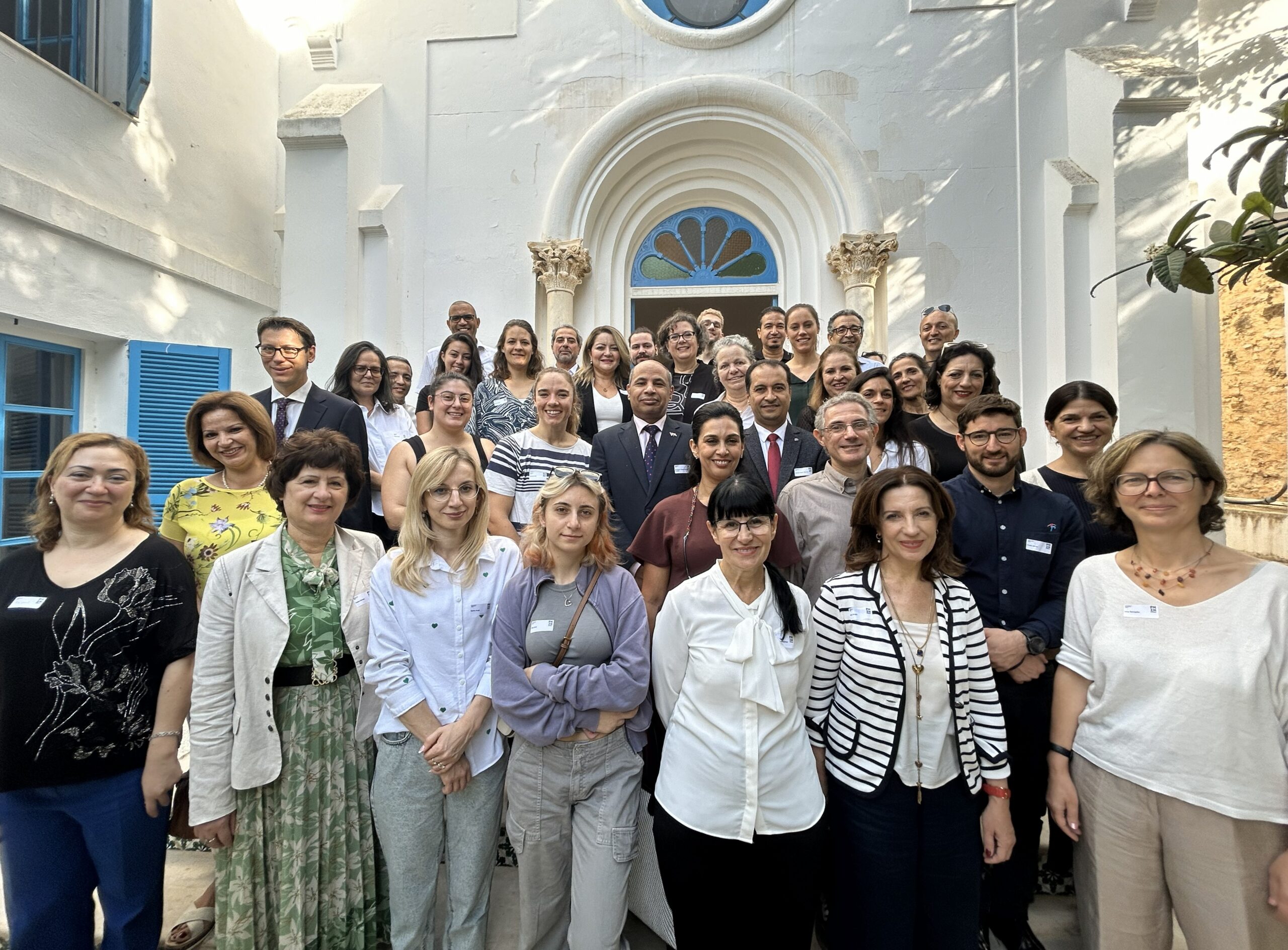
The project has three key objectives. First, it aims to develop and deepen the pedagogy of democracy and peace education through international networking, particularly in light of digitalisation. Secondly, it aims to firmly establish transversal approaches, such as democratic education and education for sustainable development, at an institutional level via curricula, teaching methods, and school development processes. Thirdly, it aims to establish a network for sustained dialogue on democracy and peace education across borders and institutions.
For the project, the team at PH Zurich will also use the Living Democracy materials, spreading them to more countries. As teacher trainers become agents of change, it is envisioned that the ripple effects will reach classrooms, schools and entire education systems, fostering participatory, reflective and resilient democratic cultures.
Individuals or institutions interested in becoming part of the network can contact DEM-ED’s project leader Nadine Ritzer.